

Combating Sugar Cravings in Dementia: Causes and Practical Tips

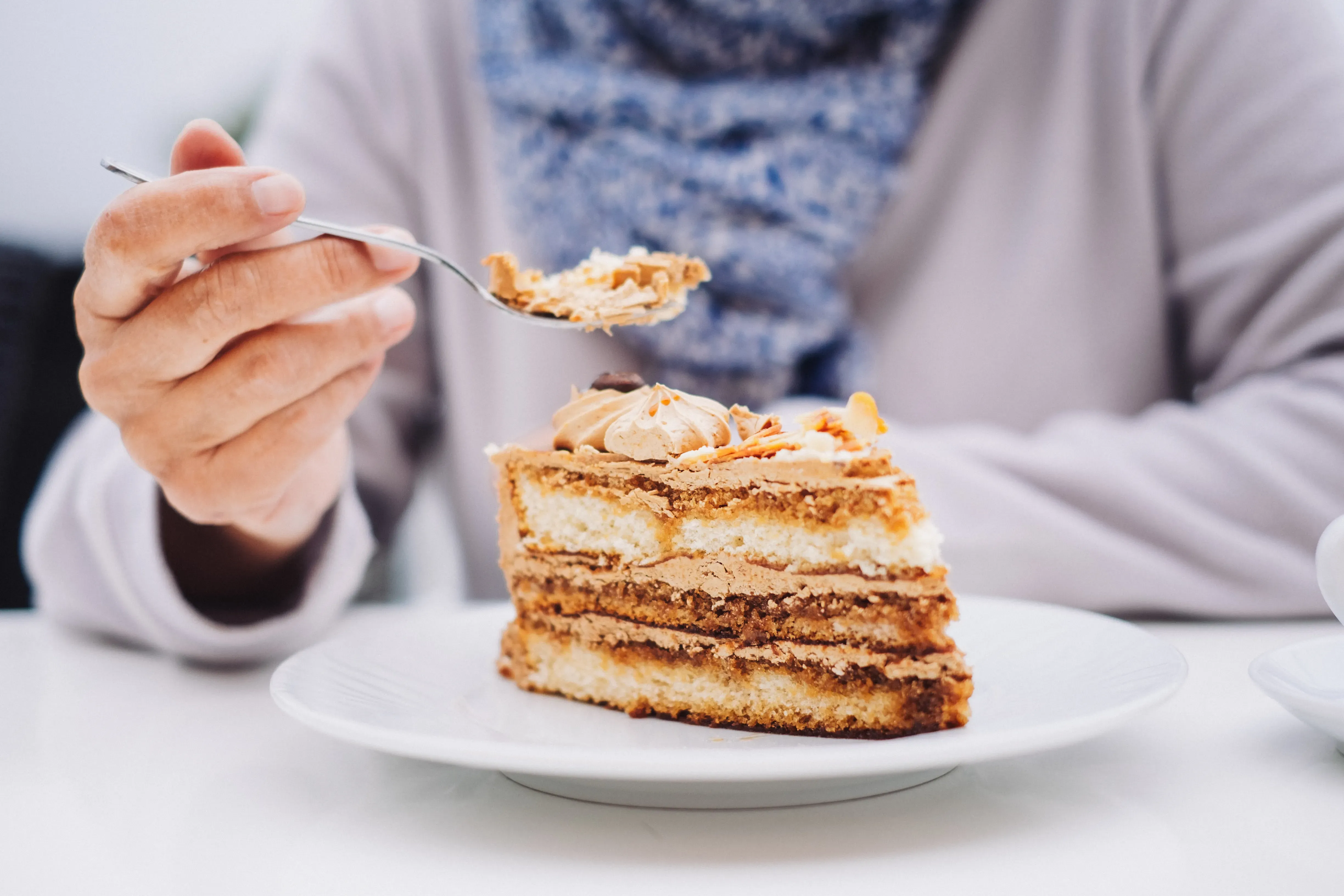

Is your partner consuming way too many sweets? Have you ever wondered why this might be and what you can do about it?
There are often multiple reasons why people with dementia crave sweets. I find that people always want to credit one thing..."Oh it's a change in taste buds." "No it's not! It's due to decreased insulin levels in the brain causing sugar cravings." The truth is, the reasons for sugar cravings can vary from person to person and often involve a combination of factors.
Here are 7 possibilities:
1. Impaired sense of taste and smell: Dementia can diminish the senses of taste and smell, making many foods seem bland or unappealing. Sweets and sugary foods have an intense flavor that can still be detected, despite the perception of sweetness lessening with age. This makes sugary foods more enjoyable and leads to people leading to cravings for food items
2. Changes in brain chemistry: Dementia, can impact the brain's reward pathways and appetite regulation, increasing cravings for sugary and calorie-dense foods.
3. Insulin resistance: Dementia can impair glucose metabolism in the brain, leading to insulin resistance. Insulin resistance can cause high levels of insulin, which can lead to low blood sugar. When blood sugar drops, cells can feel like they are starving and signal the body to eat more, especially sugar, which is a quick source of energy.
4. Dehydration: Dehydration is a huge issue in people with dementia. Dehydration can sometimes be mistaken for hunger, especially in the form of sugar cravings. When the body is dehydrated, it can have difficulty accessing energy stores. Therefore,the body may crave sugar for a quick energy boost.
5. Emotional eating: People with dementia may experience mood changes, anxiety, or depression, leading them to seek comfort in sugary foods due to the temporary mood-boosting effects.
6. Medication side effects: Some medications commonly prescribed to dementia patients can cause increased appetite or cravings for sweets.
7. Easy access and convenience: Sugary snacks and desserts are often readily available, pre-packaged, easy to consume, and require minimal preparation, making them appealing for those with dementia who may struggle with cooking or self-feeding.
No matter the reason for your partner's sugar cravings, here are 4 recommendations:
1. Limit access to sweet treats: One effective way to reduce your partner's consumption of sweets is by limiting their access to sugary treats. If avoiding the purchase of sweets altogether isn't feasible, consider alternative strategies such as storing them out of sight, locking them away, or hiding them in less obvious places.
2. Provide healthier sweet alternatives: Fresh fruits like berries, apples, or bananas can provide natural sweetness along with essential nutrients and fiber. Greek yogurt with a drizzle of honey or a sprinkle of cinnamon can also be a healthier option. Additionally, pre-packaged fruit and nut snack bars or dark chocolate can serve as a healthier alternative. These options not only satisfy sweet cravings but also provide added nutritional benefits.
3. Keep hydrated: As mentioned, dehydration can trigger sugar cravings, so it's important to ensure your partner is drinking plenty of fluids throughout the day. Encourage regular water intake, and consider offering appealing options like water-rich fruits and vegetables, non-caffeinated herbal teas, or watered down juices. For more ideas on keeping your partner hydrated, refer to our article titled "5 Ways to Keep People with Dementia Hydrated."
4. Provide balanced meals: Make sure your partner's meals are well-balanced, featuring a combination of protein, healthy fats, and complex carbohydrates. This balance helps keep blood sugar levels stable, which can reduce the likelihood of strong sugar cravings. Incorporate foods such as lean meats, whole grains, legumes, nuts, and a variety of vegetables into their diet. If your partner follows a special diet or has a specific health condition, consult their physician about how to provide balanced meals that adhere to their dietary restrictions.



Leave us a review.
We love hearing from you.
Every review helps us reach and help more caregivers like you.