

How to Encourage Someone with Dementia to Take Their Medication

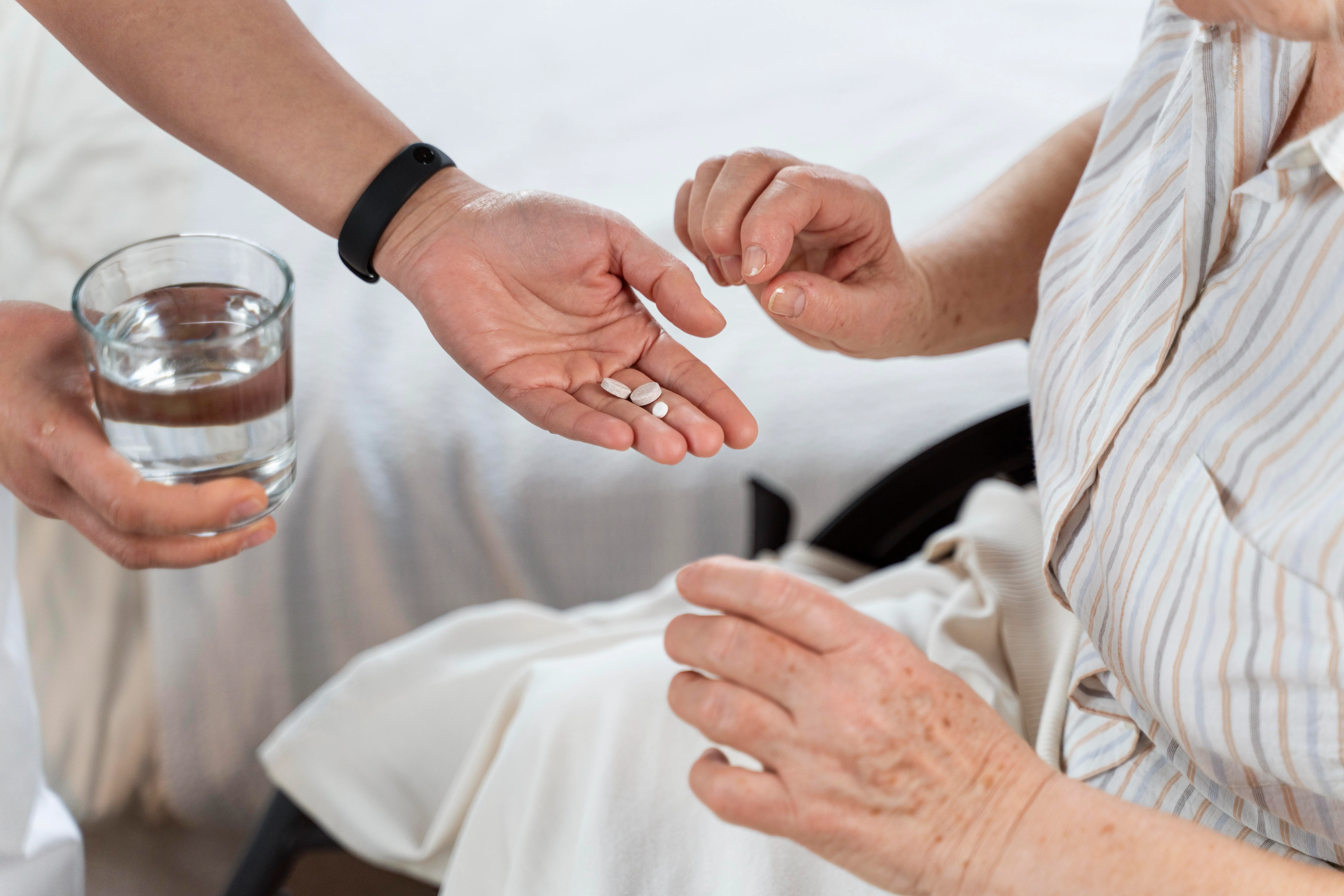

A common question that often comes up is: "How can I get someone with dementia to take their medication?"
Unfortunately, a popular suggestion I see in support groups is to crush the pills and add them to something like yogurt. However, this approach can be dangerous for several reasons.
Why Crushing Pills Might Not Be Safe
Reasons crushing pills without asking a doctor or pharmacist can be dangerous:
- Dosage Control: Some pills are designed to release the medication slowly over time. Crushing them can release too much medicine at once, leading to an overdose.
- Effectiveness: Certain medications need to be absorbed in specific parts of the digestive system. Crushing them can make them less effective or even ineffective.
- Side Effects: Crushing pills can increase the risk of side effects because the body may absorb the medication too quickly.
- Safety: Some medications are meant to be swallowed whole because they can be harmful to the mouth, throat, or stomach lining if crushed.
- Interactions: Crushing pills can alter how they interact with other medications, leading to unexpected and potentially harmful effects.
Always check with a doctor or pharmacist before crushing any pills to ensure it’s safe and appropriate for your partner's medication. It's not that crushing is a bad idea; it could be appropriate, but you need to ask first.
Alternative Strategies to Encourage Medication Adherence
To encourage a person with dementia to take their medication, start by requesting a medication review. During this review, ask the doctor if any medications can be eliminated, which medications are essential, and if any can be crushed or provided in a more acceptable form, like a liquid.
Next, consider how you present the medication to them.
Normalize the Activity
Make taking medication seem like no big deal and provide only the necessary information. For some, this means no information at all, while others might want a general explanation or a specific reason like, "This pill keeps your heart healthy." or "This pill keeps your mind sharp."
4 Ways to Normalize Taking Medication:
- Hand Them Their Pills: Simply hand them their pills with a glass of water and say, "Here you go," and observe their reaction.
- Prompt and Explain: Hand them one pill at a time and say something like, "Here's your pill for pain." Repeat until they've taken all their medications. Alternatively, place all the pills on a template labeled with each pill's purpose: "pain", "memory", "prostate", "blood pressure".
- Take Medications Together: Sit down next to them and say, "It's time to take our vitamins." If you don't take medication or vitamins, use something like Mike and Ikes, skittles, or gummy bears. However, if you think your partner might mimic the act of chewing, you may want to explore alternative options.
- Mix with Food: If appropriate, mix the pill (crushed or uncrushed) in pudding, yogurt, or applesauce to aid in swallowing. Present it by saying, "Here's some yogurt." If your partner is or would be suspicious that you are trying to poison them, it may be necessary to disclose that there is medication inside the food.
Respect Preferences and Provide Choices
Respecting preferences and providing choices can significantly reduce resistance to taking medications. It empowers the person with dementia, making them feel more in control and comfortable with the process.
Example of Respecting Preferences:
- Do they prefer having all medications presented at once or one at a time?
- Do they want you to hand them their medications, or do they prefer picking them up themselves?
- Do they need an explanation for each medication or none at all?
Examples of Providing Options:
- Do you want to use the blue pill organizer or the colorful one?
- Do you want to check your blood sugar or blood pressure first?
- Do you want me to prick your finger, or would you like to do it?
- Do you prefer taking your medications with applesauce or pudding?
Talking Through the Task and Demonstrating
You may also find that talking through the task and demonstrating the process can be very helpful in encouraging your partner to take their medications.
Examples of Talking Through the Task:
- "Time to take our medicine. Here's yours and here's mine."
- "We'll take the blue pill first."
- "Okay, here's the first pill. Open your mouth for me."
- "Take a big drink of water."
- "Swallow."
- "I'm going to prick your finger. It may hurt a little."
Examples of Demonstrations:
- Bringing hand to mouth
- Opening mouth
- Grabbing a cup and taking a sip of water
- Swallowing
- Pricking a finger with a lancet
Understand Refusal to Take Medication
It's also important to understand the underlying reasons why your partner may not want to take their medication. They might be experiencing fear, confusion, discomfort, difficulty swallowing, or an undesirable side effect. Understanding their perspective and experience can help you address their concerns more effectively and find alternative strategies that work.
Seek Professional Help
Your best allies with medication help are the physician and pharmacist. They can address compliance, side effects, and alternatives. The physician can also refer you to a speech or occupational therapist. A speech therapist can specifically address swallowing difficulties and provide recommendations, while both speech and occupational therapists can offer tips and tricks to improve medication adherence.


Leave us a review.
We love hearing from you.
Every review helps us reach and help more caregivers like you.