

Locking Up Unsafe Items From Somone with Dementia Without Increasing Agitation

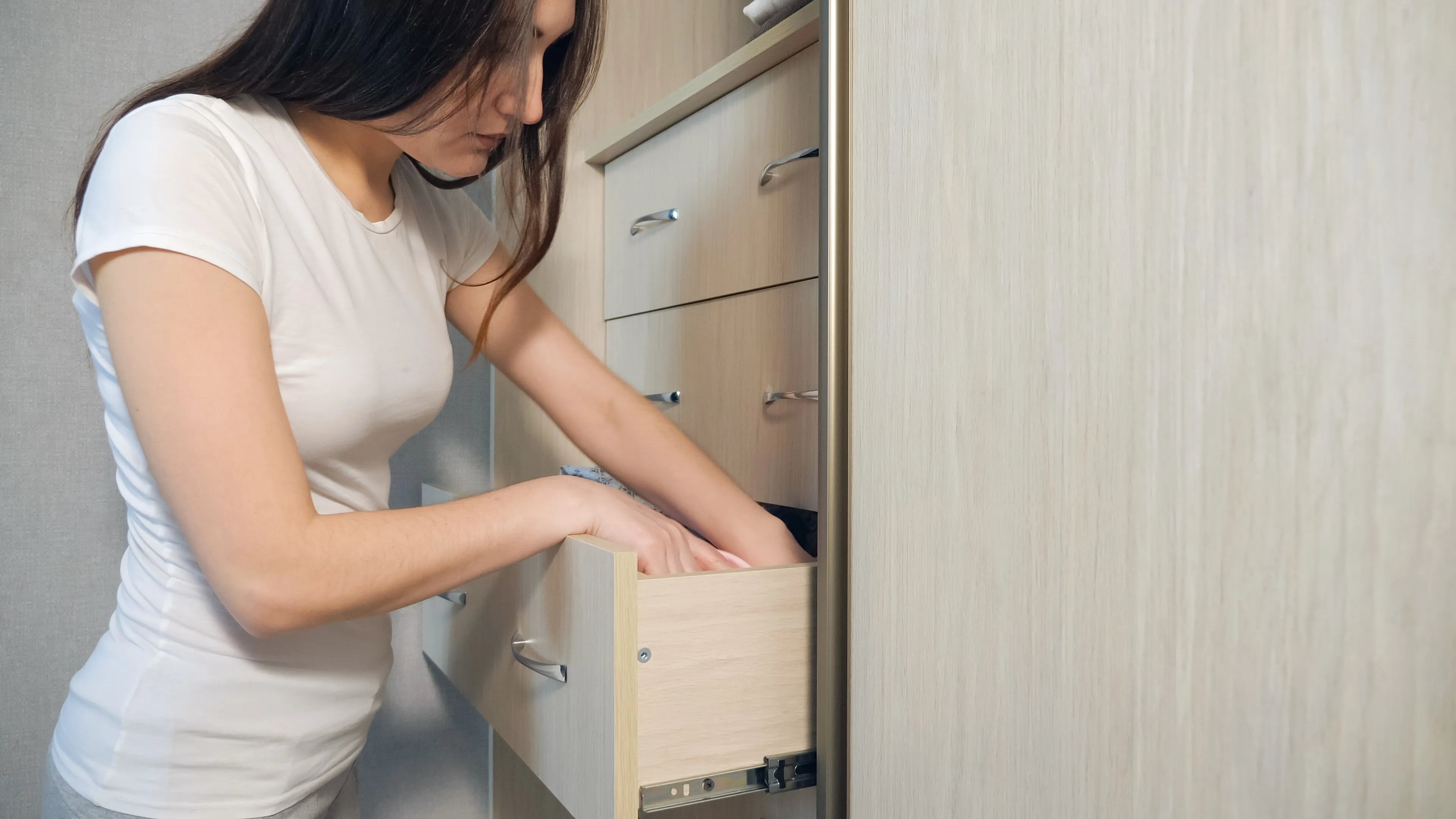

A common dilemma caregivers encounter is securing potentially harmful items without causing increased agitation in their partner living with dementia. It's a tricky balance to keep them safe while also letting them hold onto their independence. In this blog post, we'll explore a few practical and actionable steps to help create a secure home environment without escalating stress or agitation.
1. Identify and Prioritize Unsafe Items
Start by taking note of items in your home that could pose a risk. This includes items that are toxic, sharp, or otherwise dangerous if used improperly. For example, household cleaners can be mistaken for beverages or used inappropriately on the body, and medications can be taken in incorrect dosages. Sharp objects like knives and tools can lead to accidents, while firearms and alcohol must be managed with particular caution. Additionally, if a person is unsafe to drive, access to car keys can be dangerous as well.
Once you've identified these items, prioritize them. Of course, if firearms are in the house, they should be dealt with immediately and proactively. You might decide to store firearms in a gun safe with a key or code and location that only you know about, remove them from the home altogether, or have them disabled/deactivated. To learn more about gun safety please click here.
2. Secure Items Early
Address the potential dangers before they become a focal point for your partner with dementia. By proactively securing items, you reduce the chance that your partner will fixate on them or become agitated when they can't find them. For example, if you notice that your partner is no longer using certain tools, it may be a good idea to remove them from their normal location before your partner becomes curious about their whereabouts. Similarly, if alcohol is rarely consumed, consider either removing it entirely or storing it securely in a locked cabinet, out of plain sight.
3. Don't Call Attention to the Items
Avoid making a big deal out of removing or locking up items. There's absolutely no need to broadcast your actions or draw attention to what you intend to do. If your partner is unaware of, or does not witness you securing the items, they're less likely to notice or dwell on the items' absence. For instance, if you decide to lock away the cleaning supplies, do it at a time when your partner is occupied with another activity, such as enjoying a meal, watching a favorite TV show, or even asleep.
If your partner inquires about an item, offer a simple, reassuring explanation without highlighting the fact that the items have been secured for safety reasons. For instance, if they ask about their tools, you might say, "I think I put them away during cleanup to make some space. Sorry for any trouble. What did you need them for?....Okay, well, let me finish up in here, and then I'll help you find what you're looking for." At this point, you could propose a different, engaging activity that can divert their attention, ideally long enough for them to forget their initial request for the tools. Alternatively, if appropriate, you could retrieve the tools and supervise their use, thereby granting them the opportunity to engage in an activity that is both meaningful and desired..
4. Use Discreet Locking Solutions
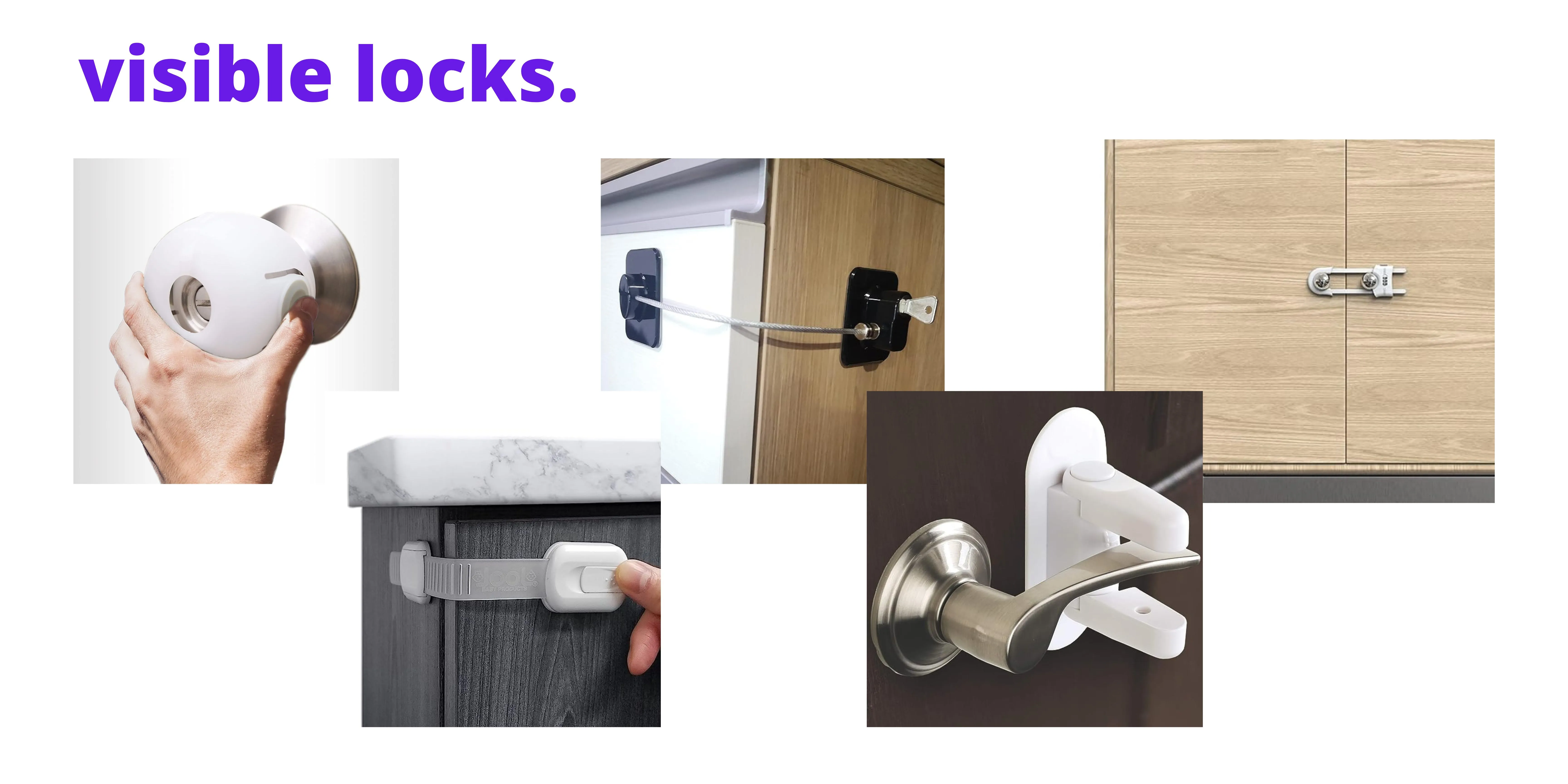
When you lock items away, it's important to use covert and discreet options. I call these concealed locks. Visible locks might remind your partner of the restrictions that have been placed (likely against their will) and could lead to agitation. Instead, consider installing magnetic cabinet locks that are hidden from view, using concealed door locks (up high or low and out of direct line of sight), or decorative diversion lock boxes that are less noticeable.
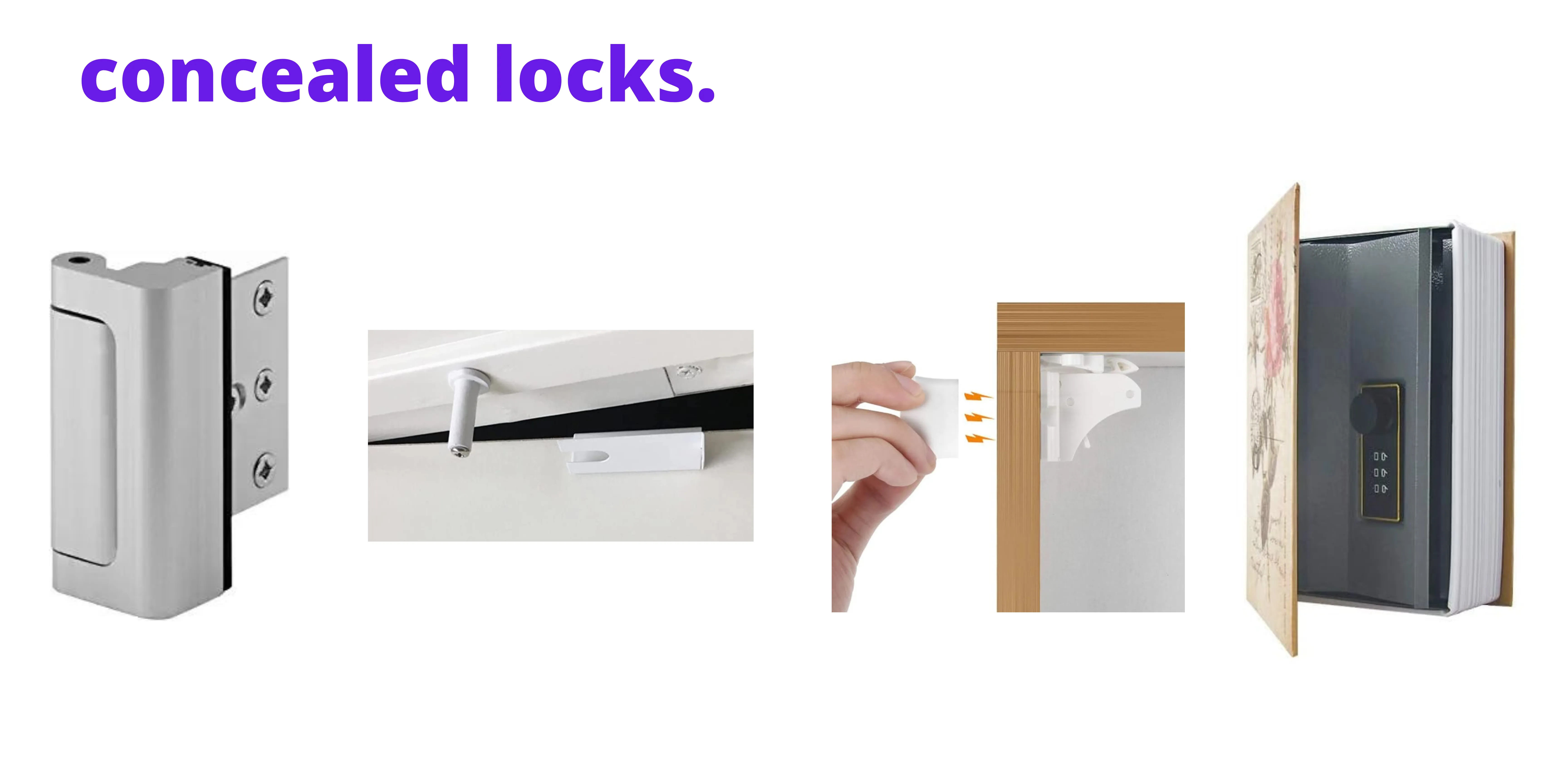
For example, you might secure a kitchen drawer that contains sharp knives or a cabinet with cleaning supplies with a magnetic lock. The drawer will appear normal to your partner, but it won't open without the magnetic key. Similarly, if you need to secure medications or car keys, consider using a decorative lock box disguised as a book that can be placed on a shelf or storing them in a drawer with a magnetic lock, reducing the chance of your parnter accessing these items.
You might also think about stashing items out of the way—either up high or down low, so that they aren't within normal reach or in an area your partner may look.
Remember, the goal is to ensure safety without making your home feel like a guarded prison. By identifying and securing unsafe items early, remaining discreet in your actions, and choosing the right locking solutions, you create a safer environment for your partner with dementia. This approach minimizes the risk of agitation and helps maintain a sense of normalcy and independence in their daily life. Each individual's experience with dementia is unique, and it's essential to adapt these steps to fit your partner's specific situation and needs.


Leave us a review.
We love hearing from you.
Every review helps us reach and help more caregivers like you.